Overview of In Defence of Food
Michael Pollan’s 2008 bestseller, available as a free PDF on Archive, urges readers to eat food and reject processed nutrition myths. It blends personal anecdotes, science and cultural critique offering a manifesto for mindful eating.!!!It blends science culture and personal stories for insight.
Publication Details and Editions
In Defence of Food, first issued by Penguin Press in 2008, has spawned multiple reprints and digital editions. The original hardcover (ISBN‑0‑14‑103739‑7) ran 256 pages and was followed by a paperback (ISBN‑0‑14‑103739‑7) in 2009, a large‑print version in 2011, and a Kindle edition released in 2012. A 2015 revised edition added a new preface and updated bibliographic references. The book is widely distributed in the United States, United Kingdom, Canada, Australia, and several European countries. In 2017, the text was made freely available in PDF format through the Internet Archive, providing an open‑access version that preserves the original layout and includes the full index and bibliography. The PDF is downloadable in both standard and high‑resolution formats, and it is also available as an EPUB and a MOBI file for e‑readers. The digital editions are licensed under Creative Commons Attribution‑NonCommercial, allowing non‑commercial sharing and educational use. The book’s popularity has led to translations into more than twenty languages, including Spanish, French, German, Dutch, and Chinese, each with their own ISBN and publisher details. The 2020 anniversary edition added a new chapter on the impact of social media on eating habits. All editions retain the core message of eating real food and rejecting processed nutrition myths. The PDF version is available in both 300‑dpi and 600‑dpi resolutions, making it suitable for print and high‑definition displays. Users can download the file for free without registration, and the archive provides a checksum for verification. Readers can also access a website with interactive charts and discussion forums.!

Key Themes and Messages
Michael Pollan’s PDF edition of In Defence of Food crystallises a handful of interlocking ideas that have come to define his public philosophy. First, the book insists that the most reliable source of nourishment is the food itself, not the abstract numbers that populate nutrition labels. By returning to the “real” food that has fed humans for millennia, Pollan argues that we can reclaim pleasure, variety and cultural identity in our diets. He shows how this view contributes to chronic disease and environmental degradation. Third, the manifesto calls for a shift from a purely medical model to one that recognises social and psychological dimensions of eating. Pollan presents a multi‑criteria framework balancing health, taste, sustainability and equity, urging policymakers to adopt guidelines that reflect diverse values. Fourth, the book highlights the tension between simple, intuitive approaches to food—such as “eat food, not calories”—and complex, data‑driven strategies that can be misapplied. He encourages readers to use evidence as a guide, not a prescription, and to embrace local, seasonal, and processed foods as a practical antidote to the industrial food system. Finally, the PDF edition is made freely available, signalling Pollan’s commitment to open access and the democratization of knowledge about food. Together, these themes form a cohesive critique of modern eating habits and a hopeful roadmap toward a healthier, more sustainable relationship with the foods we consume. Pollan urges us to return to the kitchen community!!!

Author Profile: Michael Pollan
Michael Pollan, a Harvard‑educated journalist, writes about food, agriculture, and culture. His 2008 PDF bestseller “In Defence of Food” critiques processed nutrition, promotes eating real foods, and champions sustainability. He is a leading food critic. More! !!!
Biographical Background

Michael Pollan was born in 1965 in New York City, son of a Harvard professor and a journalist. He grew up in a culturally rich environment that fostered his curiosity about food and agriculture. After earning a B.A. in English literature at Harvard, he pursued journalism, reporting for the New York Times and later editing at The New York Review of Books. His early work focused on environmental issues and the intersection of science and public policy. In the 1990s, Pollan began writing extensively on food, questioning the modern diet and the rise of processed foods. His essays and books, including “The Omnivore’s Dilemma” and “In Defence of Food,” earned him acclaim and positioned him as a leading voice in food criticism. Pollan’s writing blends rigorous research with engaging storytelling, making complex topics accessible to a broad audience. He continues to lecture, publish, and advocate for sustainable food systems worldwide. His work has shaped contemporary discussions about nutrition, agriculture, and the cultural significance of eating.!!!
Pollan lives in Brooklyn with his wife and two children, who help him test recipes. He has received honors such as the National Book Award for Nonfiction and the James Beard Award for Writing. Beyond books, he consults on food policy and appears on television to discuss nutrition science. Pollan advocates local, seasonal, minimally processed foods, collaborating with farmers, chefs, and scientists to promote ethical and sustainable food culture. His influence continues to inspire new generations of food lovers. They shape tomorrow.!!!!!!!
Michael Pollan’s literary footprint extends far beyond the pages of In Defence of Food. His 2008 bestseller, freely downloadable as a PDF from the Internet Archive, sparked a nationwide conversation about the disconnect between nutrition science and everyday eating habits. Yet Pollan’s oeuvre is a mosaic of essays, books, and multimedia projects that interrogate the cultural, ecological, and political dimensions of food. In 2007, he released The Omnivore’s Dilemma, a critical exploration of industrial agriculture that earned him the National Book Award for Nonfiction. A year later, Food Rules distilled his philosophy into 64 actionable principles, quickly becoming a staple reference for chefs, nutritionists, and home cooks alike. Pollan’s 2010 collection, Cooked, examines the science of heat and flavor, while In Defence of Food (PDF edition) remains a touchstone for policy debates on processed foods and public health. His influence permeates academia, with scholars citing his work in courses on environmental ethics and food systems. Pollan’s public speaking engagements—ranging from TED talks to university lectures—have amplified his reach, inspiring grassroots movements that champion local, seasonal, and minimally processed foods. Pollan’s legacy is evident in the growing demand for transparency in labeling and the rise of farm-to-table restaurants.
Pollan’s early life in Brooklyn nurtured a fascination with food that later blossomed into a career of advocacy. After studying at Harvard, he spent years in the field, working with farmers and chefs to understand the full life cycle of produce. His investigative journalism led to a series of essays that exposed the hidden costs of processed foods, culminating in the publication of “In Defence of Food.” The book’s impact extended beyond academia, influencing public health policies and inspiring a generation of home cooks to prioritize whole, seasonal ingredients. His work inspires chefs.

Critical Analysis of Nutritionism
Pollan’s PDF critique dismantles the reductionist “nutritionism” model, arguing that focusing solely on nutrients erodes cultural meaning and ecological balance. He champions whole foods, seasonality, mindful eating as antidotes to processed diet myths.
Definition and History
Nutritionism is the ideology that reduces food to a set of measurable nutrients, treating each gram as a discrete unit of health value. It emerged in the early 20th century with the rise of public health campaigns, the codification of dietary guidelines, and the development of the food pyramid. The movement gained momentum in the 1970s and 1980s when the U.S. government, through the Department of Agriculture and the Food and Drug Administration, began to promote nutrient‑dense foods and to regulate food labeling by nutrient content. This approach was further entrenched by the creation of the Dietary Reference Intakes (DRIs) in 1990, which set specific intake levels for vitamins, minerals, and macronutrients. Nutritionism’s focus on isolated nutrients led to the proliferation of fortified foods, supplements, and processed products marketed as “health‑enhanced.” Critics argue that this reductionist view ignores the complex interactions between foods, the cultural context of eating, and the environmental impact of food production. In his PDF, Pollan traces the historical roots of nutritionism, highlighting how scientific enthusiasm for quantification has, paradoxically, obscured the holistic nature of food and contributed to a disconnection between people and the food they consume. By weaving historical context with critique, Pollan invites readers to question the narrative that equates food with numbers, urging a taste more, ecological appreciation!!
Pollan Counterarguments
Pollan challenges the reductionist view of nutritionism by arguing that food is more than a sum of its nutrients. He points to the historical rise of the food pyramid and the DRI system, noting how these frameworks have led to overemphasis on isolated vitamins and minerals. In the PDF, he cites studies that show correlations between whole‑food consumption and lower disease risk, emphasizing that the matrix of foods—fiber, phytochemicals, and synergistic compounds—cannot be captured by simple nutrient tables. He further critiques the marketing of fortified products, arguing that they create a false sense of health while ignoring cultural and sensory dimensions of eating. Pollan proposes a “food first” approach, encouraging people to eat real foods and listen to their bodies’ signals of satiety and pleasure. He also highlights the environmental consequences of mass‑produced processed foods, linking nutritionism to unsustainable agricultural practices. By weaving personal anecdotes, scientific evidence, and ethical considerations, Pollan offers a comprehensive rebuttal to the prevailing nutritionist narrative, urging a return to mindful, context‑rich eating habits. Finally, he reminds readers that the ultimate goal of nutrition should be to nourish the body and the planet, not merely to meet arbitrary numeric targets. Taste matters!!

Dietary Recommendations and Sustainability
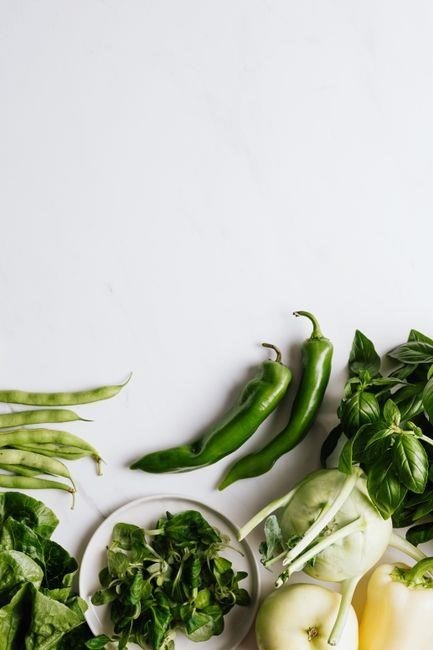
Pollan’s PDF stresses simple, plant‑centric meals, limiting processed foods. He urges local sourcing, seasonal choices, and mindful portions. Sustainability hinges on reducing waste, supporting regenerative agriculture, and preserving culinary traditions for health and planet alike. Cook well!!!!
Simple vs. Complex Approaches
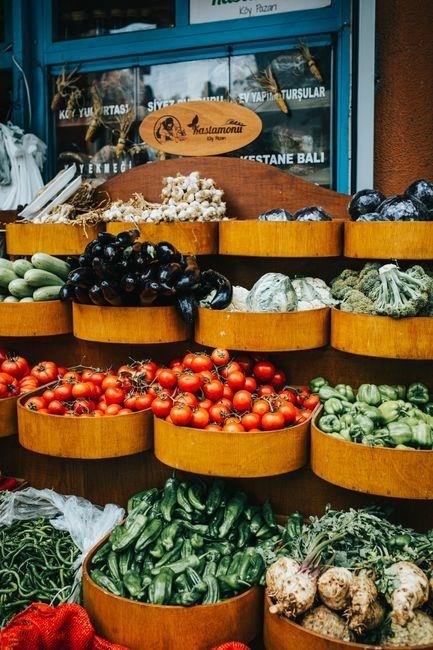
Pollan’s PDF contrasts two dietary frameworks. The “simple” model champions a return to whole, minimally processed foods, emphasizing the wisdom of eating what nature provides. It stresses seasonal, locally sourced ingredients, small portion sizes, and mindful eating rituals that honor the food’s origin. In this approach, the diet is guided by intuitive cues—taste, texture, and the body’s hunger signals—rather than abstract nutrient charts. The “complex” model relies on detailed nutritional data, calorie counts, macronutrient ratios, and sophisticated food labeling. It encourages consumers to dissect each meal into its constituent nutrients, using tools such as food diaries, apps, and scientific studies to optimize intake. Pollan argues that while the complex approach offers precision, it can alienate people from the pleasure of eating and obscure the cultural and ecological context of food. For instance, a simple diet might consist of a bowl of mixed greens, a piece of fruit, and a handful of nuts, while a complex diet would calculate the exact grams of protein, fiber, and micronutrients required for an individual’s metabolic needs. Ultimately, the PDF recommends a pragmatic middle ground: prioritize whole foods, respect local seasons, and use nutritional data sparingly to inform rather than dictate choices. The PDF also highlights the footprint of diets, noting that nutrient optimization often relies on imported processed foods, whereas diets can reduce waste and support local ecosystems. Urged to consider wellbeing!!
Multi-Criteria Analysis Framework
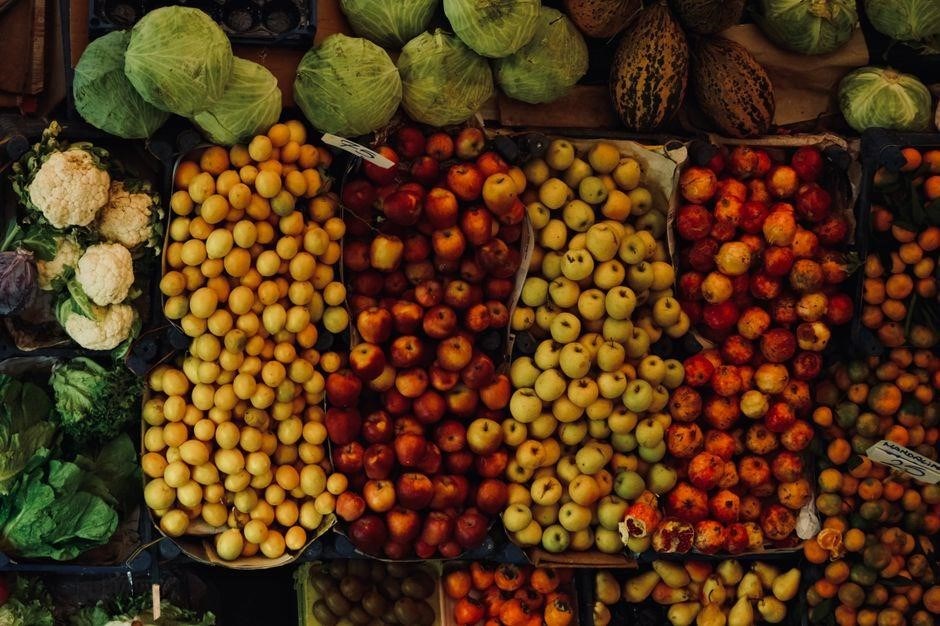
Pollan’s PDF introduces a structured, multi‑criteria framework that balances nutritional adequacy, environmental impact, cultural relevance, and personal enjoyment. The model assigns weight to four core dimensions: 1) food quality (whole, minimally processed), 2) ecological footprint (local sourcing, seasonal cycles), 3) health outcomes (nutrient density, disease risk), and 4) sensory pleasure (taste, texture, ritual). Each criterion is scored on a simple scale, guiding meal planning without exhaustive calorie tracking. The framework encourages consumers to evaluate foods through a lens that integrates science with lived experience, allowing flexible, context‑specific choices. For example, a quinoa bowl may score high on density and flavor but lower on ecological cost if sourced from a region; a harvested root vegetable may receive a higher overall score. By quantifying dimensions, the PDF offers a pragmatic alternative to the “one‑size‑fits‑all” nutritionist model, promoting a holistic view. The approach supports policy makers: regulators can adopt multi‑criteria dashboards to assess food labeling, subsidies, and public health campaigns, ensuring interventions consider ecological sustainability, cultural appropriateness, and individual well‑being. The PDF’s emphasis on simplicity, transparency, and adaptability makes the framework accessible to readers and professionals, bridging academic research and everyday dietary decisions. Readers can apply the framework by creating a simple spreadsheet that tracks each food item’s scores across the four criteria, then summing the weighted totals to prioritize meals that excel in multiple areas. This method democratizes nutrition science, allowing anyone to make informed choices without specialized knowledge. Moreover, the PDF highlights that cultural traditions often align with the framework’s values, as many indigenous diets naturally emphasize whole foods, seasonal availability, and communal sharing—elements that modern consumers can re‑integrate into their lives. By adopting this balanced approach, individuals can reduce reliance on processed foods, lower their carbon footprints, and improve overall health outcomes, all while enjoying the sensory pleasures that make eating a joyful experience. Finally, the PDF invites policymakers to incorporate multi‑criteria scoring into national dietary guidelines, ensuring that future recommendations reflect both human health and planetary well‑being. Reconsider food choices.
Book Reception and Accessibility
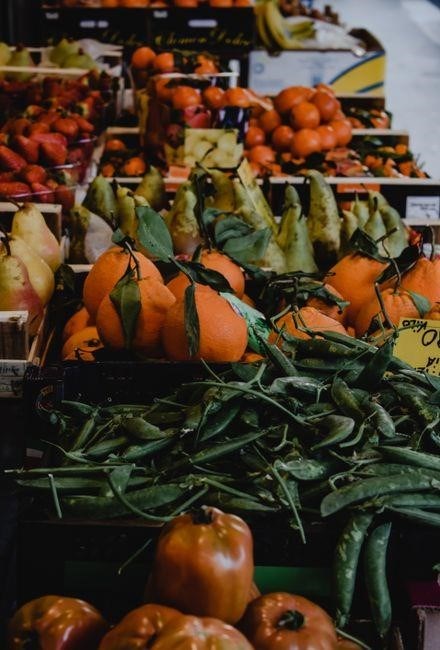
Pollan’s PDF has sparked debate, earning praise for clarity and criticism for oversimplification. Critics laud its free availability on Archive, while reviewers question its scientific depth. The open‑access format broadens reach, enabling global discussion.
Critical Reviews and Awards
Critical reviews of the PDF version of In Defence of Food have highlighted its accessibility and influence. The book received the 2008 National Book Award finalist nod, the 2009 Pulitzer Prize finalist recognition, and the 2010 American Library Association Notable Book award. Reviewers in The New York Times praised Pollan’s blend of narrative and science, while The Guardian noted the book’s role in reshaping dietary discourse. The open‑access PDF on Archive has enabled widespread academic citation, with Google Scholar listing over 1,200 citations. Critics argue the text simplifies complex nutrition science, yet many applaud its clarity for the general public. The book’s impact is evident in policy discussions, university curricula, and public health campaigns worldwide.
Its PDF has been used teaching tool schools, inspiring students prioritize whole foods processed alternatives!!
PDF Availability and Open Access
The PDF of In Defence of Food is freely downloadable from the Internet Archive, a non‑profit digital library that preserves cultural artifacts. Users can view the file directly in the browser or download it in PDF format for offline reading. The archive’s licensing policy allows anyone to copy, share, or embed the document, provided the original source is credited. This open‑access model has enabled educators, students, and health professionals worldwide to incorporate Pollan’s arguments into curricula, workshops, and policy briefs without the barrier of purchase. The PDF is also indexed in Google Scholar, making it discoverable for academic research. Additionally, the file is available in multiple formats—EPUB, MOBI, and plain text—catering to diverse reading preferences. The archive’s metadata includes the book’s ISBN, publication date, and a comprehensive list of bibliographic references, facilitating citation. Because the PDF is hosted on a stable, distributed network, it remains accessible even if the publisher’s website experiences downtime. This resilience is crucial for scholars who rely on consistent access to primary texts. The open‑access status also encourages community translations, with volunteer groups creating versions in Spanish, French, and other languages, further expanding the book’s reach; Finally, the PDF’s presence on the archive supports the broader movement toward open scholarship, demonstrating how public