Auto start-stop technology enhances fuel efficiency by automatically stopping and restarting the engine, traditionally found in automatics but now integrated into manuals, blending driving experience with modern efficiency.
What is Auto Start Technology?
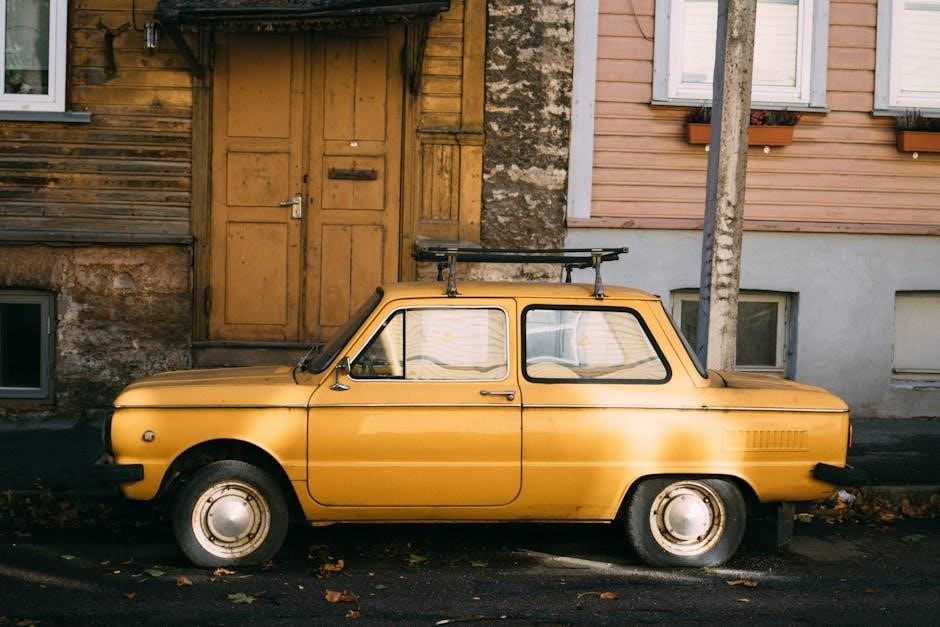
Auto start-stop technology is a system that automatically shuts off and restarts a car’s engine to reduce fuel consumption and emissions. This feature is commonly found in modern vehicles and is increasingly being integrated into manual transmission cars. The system operates by turning off the engine when the car comes to a stop, such as at traffic lights or in heavy traffic, and restarting it when the driver is ready to accelerate again. This technology is controlled by the car’s onboard computer, which monitors various factors like battery charge and air conditioning demand to ensure smooth operation. While traditionally associated with automatic transmissions, auto start-stop is now being implemented in manual cars, offering drivers the benefits of improved fuel efficiency and lower emissions without sacrificing the driving experience of a manual gearbox.
Evolution of Transmission Systems in Cars
Transmission systems in cars have evolved significantly over the years, shifting from manual to automatic and now incorporating advanced technologies like auto start-stop. Historically, manual transmissions were the norm, offering driver control and fuel efficiency. However, the rise of automatic transmissions in the mid-20th century brought convenience and ease of use, especially in stop-and-go traffic. Today, automatic gearboxes are gaining popularity, with statistics showing a decline in manual transmission sales. Despite this, manual transmissions remain cherished by driving enthusiasts for their tactile experience and connection to the vehicle. The integration of auto start-stop technology into manual cars represents a modern compromise, blending efficiency with tradition. This evolution reflects changing consumer preferences, technological advancements, and the automotive industry’s adaptability to environmental and market demands. As automatic transmissions become more prevalent, the future of manual transmissions remains uncertain, yet their legacy endures among passionate drivers.
Why Manual Cars Are Still Popular
Manual cars remain popular due to their engaging driving experience, offering drivers a sense of control and connection to the vehicle. They are typically more fuel-efficient and cost-effective, both in purchase and maintenance. The simplicity of manual transmissions appeals to budget-conscious buyers and driving enthusiasts alike. Despite the rise of automatics, manuals provide a tactile experience that many find rewarding. Additionally, the integration of auto start-stop technology enhances efficiency without sacrificing the traditional driving experience. This blend of practicality and driving pleasure keeps manual cars favored by many, even as automatics gain prominence.

Understanding Auto Start-Stop Technology
Auto start-stop technology automatically shuts off the engine during stops to save fuel, restarting when the driver is ready to move. It seamlessly integrates with manual transmissions, reducing emissions while maintaining performance.
How Auto Start-Stop Works
Auto start-stop technology operates by automatically turning off the engine when the car comes to a complete stop, such as at a red light or in heavy traffic. This is achieved using advanced sensors that detect when the vehicle is stationary. For manual cars, the system works slightly differently compared to automatics, as it relies on the driver pressing the clutch pedal to restart the engine. When the driver releases the brake pedal and presses the clutch, the system restarts the engine seamlessly, ensuring smooth acceleration. The technology uses a combination of the car’s battery, starter motor, and electronic control unit to manage the stop-start cycle efficiently. This process helps reduce fuel consumption and emissions, especially in urban driving conditions. The system also includes safeguards to prevent unnecessary stops, such as when the battery is low or the engine is still warming up. Overall, it balances efficiency with drivability, making it suitable for manual transmissions.
Benefits of Auto Start-Stop Systems
Auto start-stop systems offer several benefits, particularly for manual cars. One of the most significant advantages is improved fuel efficiency, as the engine shuts off during idling, reducing unnecessary fuel consumption. This is especially beneficial in urban driving conditions where frequent stops are common. Additionally, the system lowers emissions, contributing to environmental sustainability. For manual cars, the seamless integration of auto start-stop technology ensures a smooth driving experience, as the engine restarts instantly when the clutch is pressed. This feature also reduces wear and tear on the battery and starter motor by minimizing the number of engine restarts. Furthermore, the system enhances comfort by eliminating the need for constant engine operation during stops. Overall, auto start-stop systems provide a practical solution for modern drivers, combining efficiency, convenience, and sustainability without compromising the unique appeal of manual transmissions.
Drawbacks of Auto Start-Stop Systems
Auto start-stop systems, while beneficial, have certain drawbacks. One notable issue is the increased wear on the starter motor and battery due to frequent engine restarts, potentially leading to premature component failure. Additionally, some drivers find the system intrusive, as the constant stopping and starting of the engine can feel jerky or unnatural, especially in heavy traffic. The system may also struggle in extreme weather conditions, where consistent heating or cooling is necessary. Furthermore, the added complexity of auto start-stop technology can lead to higher repair costs if malfunctions occur. Lastly, not all drivers appreciate the interruption in engine operation, particularly in manual cars where the driving experience is often valued for its simplicity and direct connection to the vehicle.

Manual vs. Automatic Transmissions
Manual transmissions offer better fuel efficiency and driver control, while automatics provide convenience and ease, especially in traffic. Each suits different driving styles and preferences, balancing performance and practicality.
Key Differences Between Manual and Automatic
Manual and automatic transmissions differ significantly in operation and driver interaction. Manual transmissions require the driver to engage the clutch and manually shift gears using a gearstick, offering more control over acceleration and gear selection. Automatic transmissions, on the other hand, automatically change gears based on speed and throttle input, eliminating the need for manual intervention. Manual transmissions are generally more fuel-efficient and cost-effective, especially in city driving, while automatics provide ease of use and reduced driver fatigue in heavy traffic. Automatics also tend to have smoother acceleration, which can be beneficial for new drivers. However, manual transmissions often deliver a more engaging and responsive driving experience, making them preferred by enthusiasts. The choice between the two ultimately depends on driving habits, personal preference, and the type of driving conditions one frequently encounters.
Driving Experience: Manual vs. Automatic
The driving experience differs significantly between manual and automatic transmissions. Manual transmissions offer a more engaging and hands-on driving experience, requiring the driver to actively use the clutch and gearshift. This interaction creates a stronger connection between the driver and the vehicle, particularly during spirited driving or on winding roads. In contrast, automatic transmissions provide a smoother and more relaxed driving experience, as the car automatically adjusts gears without manual input. Automatics are particularly advantageous in heavy traffic or stop-and-go situations, where frequent gear changes would be tedious with a manual. However, enthusiasts often prefer manuals for their precision and control, especially in performance-focused vehicles. The introduction of auto start-stop technology on manual cars further enhances fuel efficiency without sacrificing the tactile driving experience. Ultimately, the choice between manual and automatic comes down to personal preference, driving conditions, and the desired level of engagement behind the wheel.

Market Trends: Decline of Manual Transmissions
In recent years, manual transmissions have seen a steady decline in popularity, especially in developed markets. This shift is largely driven by the increasing preference for convenience and ease of use, particularly in urban and traffic-heavy environments. Automatic transmissions, including continuously variable transmissions (CVTs) and dual-clutch systems, have become more refined and efficient, narrowing the gap in fuel economy and performance compared to manuals. Additionally, the rise of electric vehicles (EVs) and hybrid cars, which typically use automatic-like systems, has further accelerated the decline of manual transmissions. Many car manufacturers are now phasing out manual options in favor of automatics to meet consumer demand and regulatory requirements. Despite this trend, manual transmissions still maintain a niche appeal among driving enthusiasts who value the tactile experience and control they provide. However, the broader market is clearly moving toward automation, with manuals becoming less common in modern vehicles.

Auto Start on Manual Cars: A Closer Look
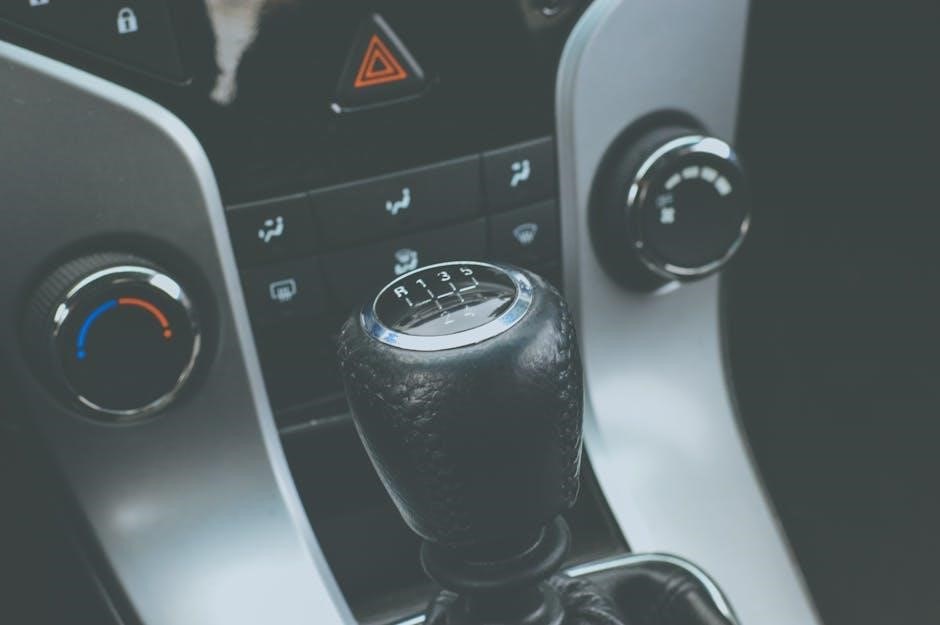
The integration of auto start technology with manual transmissions combines increased fuel efficiency and seamless engine operation, appealing to drivers who prefer traditional driving methods while embracing modern automotive advancements.
How Auto Start Works on Manual Cars
The auto start-stop system on manual cars operates by automatically shutting off the engine when the vehicle comes to a complete stop, such as at a red light or in heavy traffic; This is achieved through advanced sensors that monitor the car’s speed, clutch position, and brake pedal status. When the engine is off, the system ensures all essential systems like the radio and air conditioning continue to function. To restart the engine, the driver simply presses the clutch pedal, which triggers the starter motor. The system is designed to work seamlessly, minimizing any delay in engine restart and ensuring smooth transitions. This technology not only improves fuel efficiency but also reduces emissions, making it an environmentally friendly option for manual transmission vehicles. The integration of auto start-stop with manual cars maintains the traditional driving experience while incorporating modern efficiency enhancements.
Advantages of Auto Start on Manual Cars
The auto start-stop feature on manual cars offers several benefits, primarily focusing on fuel efficiency and emissions reduction. By automatically turning off the engine during idling, it minimizes fuel wastage, especially in urban driving conditions with frequent stops. This leads to cost savings over time and contributes to a smaller carbon footprint. Additionally, the system enhances driver convenience by reducing the need for constant restarting, making city driving less cumbersome. It also ensures smoother engine operation, as the restart process is optimized to be quick and seamless. Furthermore, the integration of this technology with manual transmissions allows drivers to retain the control and driving experience unique to manual cars while embracing modern efficiency advancements. Overall, the auto start-stop system strikes a balance between traditional driving enjoyment and contemporary environmental demands.
Challenges of Implementing Auto Start on Manual Cars
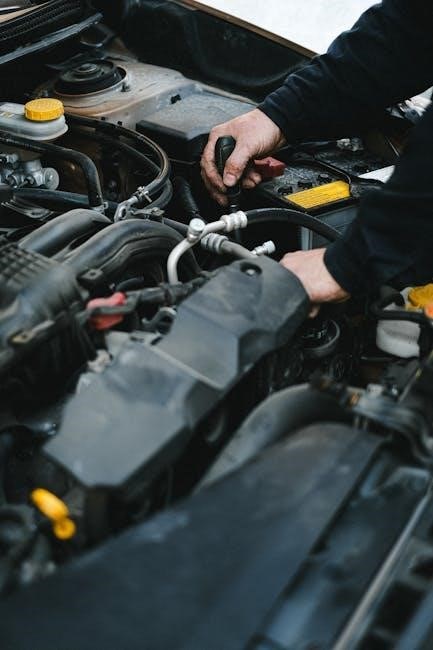
Implementing auto start-stop technology on manual cars presents several challenges. One major issue is the complexity of integrating the system with manual transmissions, as the driver’s interaction with the clutch and gearshift must be precisely synchronized with the engine’s stop-and-start functionality. This requires advanced software and hardware to ensure smooth operation without annoying delays or jerks. Another challenge is driver acceptance, as some enthusiasts view the interruption of engine operation during stops as intrusive to the driving experience. Additionally, the system must account for situations where the car is in neutral but not yet stopped, requiring precise sensors to detect driving conditions accurately. Cost is another factor, as adding this technology to manual cars can increase vehicle prices, potentially deterring budget-conscious buyers. Finally, there’s the challenge of maintaining reliability, as frequent stop-and-start cycles can strain the starter motor and battery over time, leading to potential maintenance issues.

Popular Cars with Auto Start Feature
Several models now offer auto start-stop, including the Honda Civic Hybrid, Mazda3, and Hyundai i30, combining efficiency with smooth operation, appealing to eco-conscious drivers while maintaining performance standards.
Subaru Crosstrek Hybrid: A Manual with Auto Start
The Subaru Crosstrek Hybrid stands out as one of the few vehicles to combine a manual transmission with auto start-stop technology. This feature seamlessly restarts the engine when the driver is ready to accelerate, reducing fuel consumption and emissions during stops. The Crosstrek Hybrid integrates Subaru’s renowned all-wheel-drive system, offering both efficiency and capability. Its manual transmission appeals to driving enthusiasts who value control, while the auto start feature enhances urban driving efficiency. The hybrid powertrain delivers smooth operation, and the system is designed to minimize interruptions, ensuring a natural driving experience. This model is particularly popular among eco-conscious drivers who prefer the engagement of a manual gearbox. While it may take some time for drivers to adjust to the auto start functionality in a manual setup, the Crosstrek Hybrid successfully balances performance and sustainability.
Toyota GR Corolla: Manual-Only with Advanced Features
The Toyota GR Corolla is a high-performance hatchback that proudly maintains its manual-only tradition, offering a pure driving experience. Equipped with a turbocharged 1.6-liter engine and sport-tuned suspension, it delivers exceptional agility and power. While it doesn’t feature an auto start-stop system, its manual transmission is paired with advanced technologies like rev-matching and a short-throw shifter, enhancing driver engagement. The GR Corolla is designed for driving enthusiasts who value precision and control, making it a standout in its class. Its manual-only approach caters to purists, ensuring a direct connection between the driver and the road. Despite the trend toward automatics, Toyota continues to support manual transmission fans with this model. The GR Corolla proves that manual cars can coexist with modern advancements, offering a thrilling experience for those who cherish the art of shifting gears. This model remains a testament to Toyota’s commitment to performance and driver satisfaction.
BMW M Series: The Shift to Automatic
The BMW M Series, renowned for its high-performance capabilities, has transitioned from offering manual transmissions to primarily automatic ones. This shift reflects broader industry trends and consumer preferences, as manual transmissions have seen declining popularity. The M Series now features advanced automatic transmissions, such as the M xDrive all-wheel-drive system with an 8-speed automatic, ensuring faster gear shifts and improved efficiency. While the manual option has been phased out in most models, BMW continues to innovate with technologies like auto start-stop, which enhances fuel efficiency by turning off the engine during stops. This feature seamlessly restarts the engine when the driver is ready to accelerate, reducing emissions and fuel consumption; Although some enthusiasts lament the loss of manual transmissions, BMW’s focus on performance and modern technology keeps the M Series at the forefront of automotive innovation. The brand’s evolution underscores the balance between tradition and progress in the automotive industry.

Future of Manual Cars with Auto Start
Manual cars with auto start technology may thrive as automakers balance innovation and driver preference. This blend of tradition and efficiency could preserve manual transmissions while appealing to modern eco-conscious consumers.
Will Manual Cars Disappear?
The future of manual cars remains uncertain, but their disappearance seems unlikely. While automatic and dual-clutch transmissions dominate the market, manual cars still attract enthusiasts who value driver engagement. Advances like auto start-stop technology enhance efficiency without sacrificing the tactile experience. However, rising automation and stricter emissions regulations may reduce their prevalence. Many automakers are phasing out manual options, especially in smaller vehicles, as consumer preferences shift. Yet, niche markets, performance vehicles, and regions with driving cultures tied to manual transmissions ensure their survival. The integration of auto start technology could extend their lifespan by addressing fuel efficiency concerns. Ultimately, while manual cars may become less common, they won’t vanish entirely, catering to a dedicated audience who cherish the connection to the road that only a manual gearbox provides.
Role of Technology in Preserving Manual Cars
Technology plays a pivotal role in preserving manual cars by addressing their limitations while retaining their unique appeal. Features like auto start-stop systems enhance fuel efficiency, making manual transmissions more viable in an era of rising environmental concerns. Advanced clutch systems and gearboxes reduce driver fatigue, improving the overall driving experience. Hybrid and electric technologies are also being integrated with manual transmissions, offering a sustainable future. These innovations ensure that manual cars remain relevant without compromising their distinct character. While some argue that automation dominates the market, technology is actively bridging the gap, keeping manual cars appealing to enthusiasts. By merging tradition with modern advancements, manual cars continue to find their place in the automotive world, satisfying both purists and eco-conscious drivers. This blend of old-school charm and cutting-edge innovation ensures that manual cars endure, even as the industry evolves.
Consumer Preferences and the Future of Auto Start
Consumer preferences are shaping the future of auto start technology in manual cars, as drivers increasingly prioritize convenience, efficiency, and sustainability. Many enthusiasts appreciate the seamless integration of auto start-stop systems, which enhance fuel efficiency without sacrificing the driving experience. However, some purists remain skeptical, valuing the unfiltered connection to the vehicle that manual transmissions provide. As a result, automakers are balancing innovation with tradition, offering optional auto start features to cater to diverse preferences. The demand for hybrid and electric vehicles is also influencing the evolution of manual cars, with auto start technology serving as a bridge to cleaner driving. Looking ahead, the adoption of auto start systems will likely grow, driven by stricter emissions regulations and shifting consumer attitudes toward eco-friendly solutions. Yet, the manual transmission’s enduring appeal suggests that auto start will remain a complementary feature rather than a replacement for the classic driving experience.